Tea Horse Road & Our Origins
Two tea traditions, carried forward
SoGoodTea begins with two places and two ways of making tea: Yunnan's Pu-erh, shaped by mountains and long journeys, and Fujian's white tea, shaped by a quieter, simpler craft.
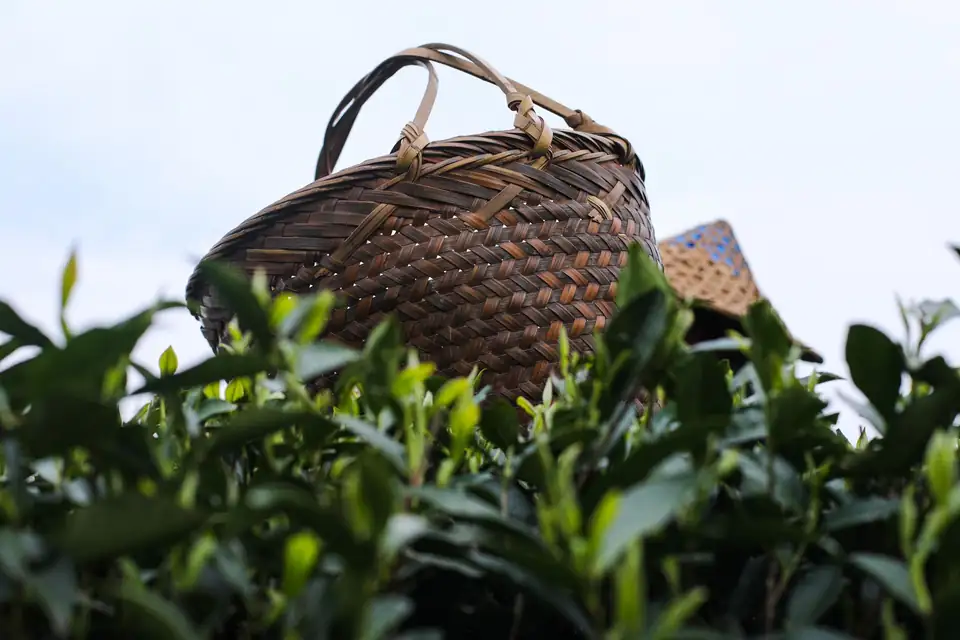
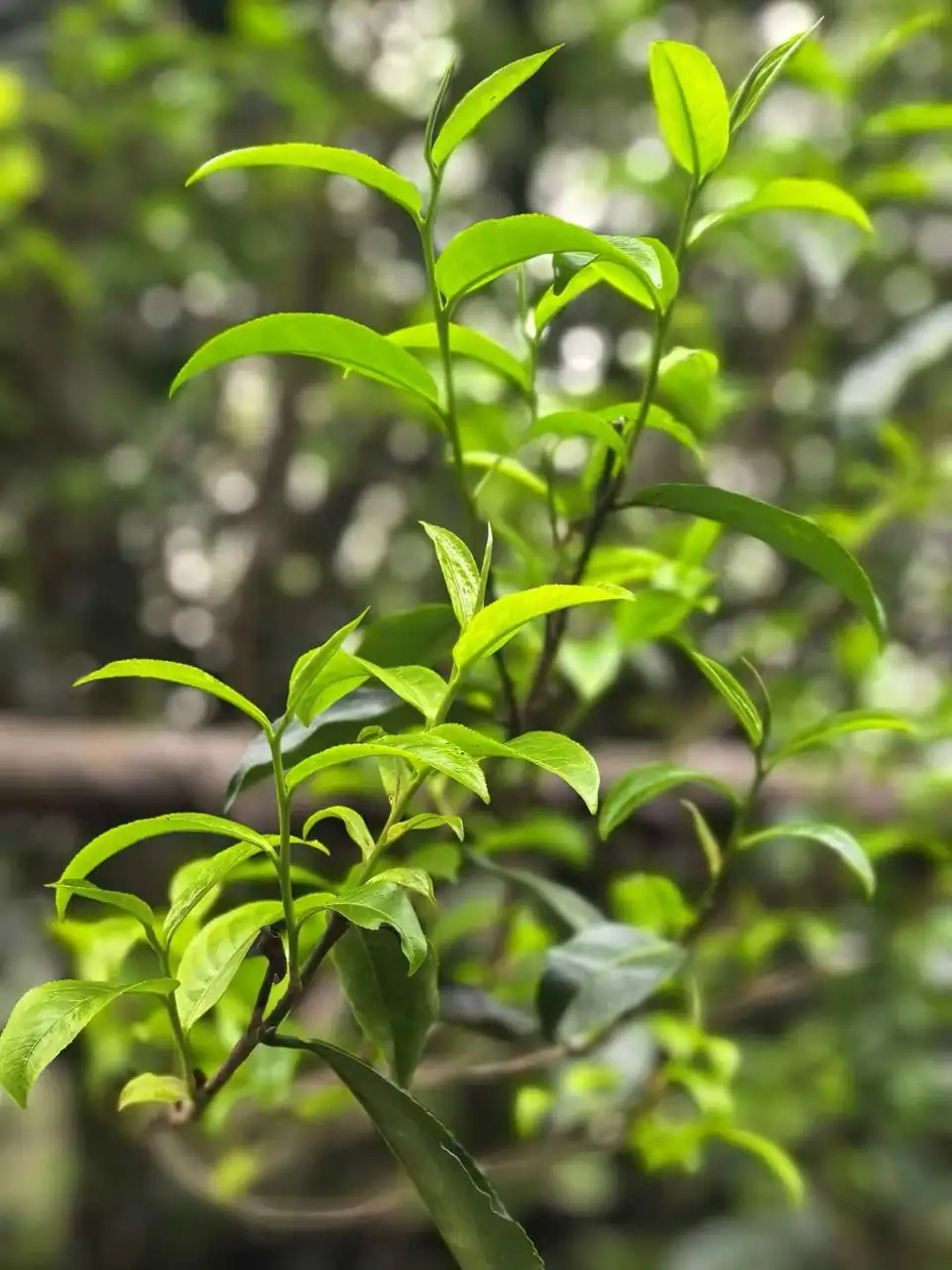
01 / Yunnan · Pu-erh
Pu-erh and the Tea Horse Road
Pu-erh comes from Yunnan in southwest China, where large-leaf tea is dried, shaped and often pressed into cakes. Those compact forms were practical for transport. For centuries, caravans carried tea along the Tea Horse Road — not a single road, but a network of mountain routes connecting Yunnan and neighbouring regions with Tibet and destinations beyond. Tea moved with horses, people and ideas, making Pu-erh part of a history of trade and cultural exchange.
Find your Pu-erh02 / Fujian · White tea
The origins of white tea
White tea has deep roots in Fujian, especially in areas such as Fuding and Zhenghe. Its character comes from a different philosophy: tender leaves are withered and dried with minimal processing. Without the rolling and high-heat steps used for many other teas, the result can be delicate, soft and aromatic. Shoumei and Baimudan are two expressions of this tradition. White tea has its own origin story; it is not presented as part of the Tea Horse Road.
Find your white tea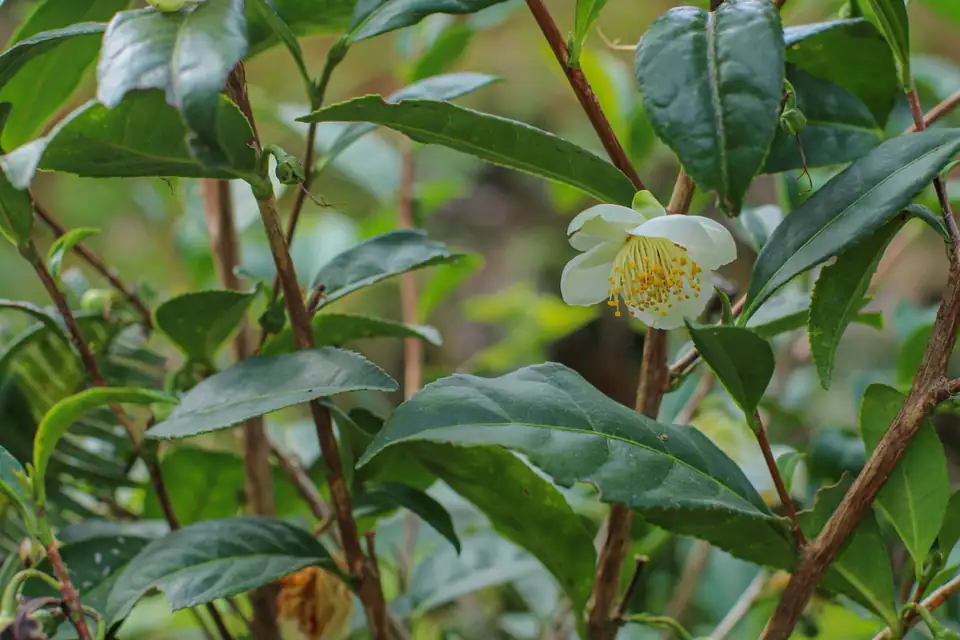
Why we bring them together
One tea connects mountain roads and time; the other reflects a simpler craft. Explore Pu-erh and white tea through their origins, photographs and brewing guidance. Before ordering, check our shipping information for current destinations, charges and import responsibilities.